Tiger Multilayer: A Bold 3D SVG for Shadow Boxes & Brand Visuals
As a designer working across branding, packaging, and digital marketing visuals, I recently came across Tiger Multilayer while scouting for a client project involving a luxury candle line with a wild, earthy aesthetic. The brief called for strong visual motifs that could translate across product labels, social media, and packaging—ideally with a touch of mystique. Upon opening the design asset, the first impression was immediate: this is a powerful 3D SVG with a layered, dimensional feel that commands attention without feeling overly busy.
First Glance: Strong Visual Language, Rich in Mood
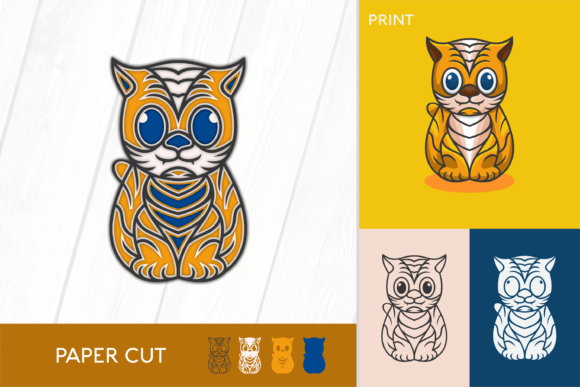
Tiger Multilayer immediately struck me as a modern design asset that walks the line between bold and elegant. The multilayer composition gives it depth, almost like a shadow box effect, making it ideal for projects that require a sense of dimensionality without the need for actual 3D rendering. The vector format (SVG, EPS, PDF) ensures scalability, which is a must for both print and digital use.
Visually, it has a wild, organic feel—perfect for brands that want to evoke strength, nature, or adventure. It’s not your average flat graphic; it’s designed to be a statement piece. I could already see it working on a candle label, a t-shirt design for a boutique brand, or even as a hero graphic on a seasonal campaign landing page.
Real-World Use: From Packaging to Digital Marketing
The client I had in mind was launching a line of natural soy candles inspired by jungle themes. I tested Tiger Multilayer across several deliverables:
- Packaging design: Applied to a matte black box, the tiger’s layered effect stood out beautifully, especially when foil-stamped. The design added a premium feel without overwhelming the minimalist layout.
- Product labels: At a reduced size, it held up well—though I had to simplify some inner layers to maintain clarity. It’s important to test at smaller scales before finalizing.
- Social media graphics: Used as a background element in Instagram stories and Pinterest pins, it created a dynamic contrast with text overlays. Pairing it with a clean sans serif helped maintain visual hierarchy.
- Canva templates: For the client’s in-house team, I built a branded Canva template using the SVG. The vector scalability made it easy to adapt across different post sizes.
Where It Shines: Hero Graphics & Themed Collections
Tiger Multilayer excels when used as a central design element. Think hero banners on landing pages, large-format posters, or product mockups. It also works well in themed collections—imagine a series of animal-based SVGs used across a seasonal campaign or a boutique product line.
Its layered structure makes it ideal for packaging details, especially when printed with spot UV or embossed textures. For digital designers, it adds a tactile quality to web graphics and editorial layouts that crave depth.
Where to Use with Caution: Visual Clarity & Brand Consistency
While visually striking, Tiger Multilayer isn’t a one-size-fits-all solution. In small sizes—like on stickers or mobile app icons—it can lose definition. The intricate layers may blur or merge if not simplified. I recommend adjusting the layers depending on the output size and medium.
It also needs breathing room. In crowded layouts or minimalist branding, it can feel overpowering. I wouldn’t recommend it for corporate brochures or professional presentations unless the brand tone is edgy and adventurous. It’s best reserved for creative markets like handmade businesses, Etsy shops, and print-on-demand sellers who want to stand out.
Impact on Branding & Audience Engagement
From a branding standpoint, this design asset can elevate the emotional appeal of a project. Used consistently, it becomes a recognizable brand element—especially for visual storytelling. Whether on a mug design or a tote bag, the tiger motif reinforces the brand’s adventurous personality.
However, it’s important to test how it interacts with other brand elements. I paired it with a few different fonts—script fonts gave it a more mystical vibe, while bold sans serifs made it feel more modern and assertive. The key is maintaining brand consistency while allowing the design to shine.
Practical Designer Notes Before Use
Before integrating Tiger Multilayer into a client project, here are the checks I always run:
- Test in black and white: See how the layers translate without color. This helps determine if it will work for monochrome print jobs or grayscale digital use.
- Check contrast: Preview it on both light and dark backgrounds. The SVG layers may need tweaking for optimal visibility.
- Preview at multiple sizes: Especially if it’s going to be used across different mediums—like a large poster and a small sticker.
- Place on real mockups: Use mockup templates to see how it looks in context, especially for packaging or apparel.
- Test print quality: Make sure the vector files are clean and that all strokes and fills render correctly when printed.
- Review file formats: The package includes SVG, EPS, and PDF, which is great for compatibility across Adobe and Cricut platforms.
- Inspect transparency: If PNG versions are included, check the alpha channels for clean transparency, especially for overlay use in web design or Canva templates.
- Confirm commercial licensing: Always double-check that the design asset is cleared for commercial use, particularly for client work or print-on-demand products.
Final Thoughts: A Versatile Asset for the Right Project
Tiger Multilayer is more than just a vector graphic—it’s a design statement. For the right client and project, it can transform the visual direction and elevate the overall professionalism of the deliverables. Whether you’re a graphic designer working on a brand identity, a content creator building Canva templates, or a small business owner crafting a unique product line, this 3D SVG can be a valuable addition to your creative toolkit.
Just remember to use it thoughtfully. It’s not a background filler—it’s a featured player. When used correctly, it brings depth, mood, and memorability to your design work, helping your client stand out in a competitive market.