Flower Cut File Mandala: A Designer’s Real-World Review
First Impressions: Elegant, Organic, and Versatile
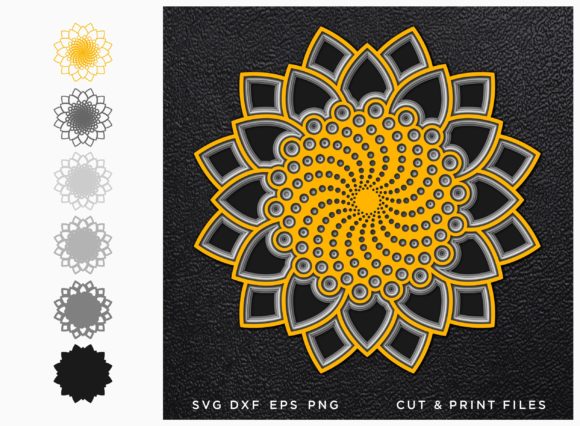
Opening up the Flower Cut File Mandala for the first time, I was struck by its clean, flowing lines and intricate symmetry. It's the kind of design that feels both modern and timeless — a balanced blend of floral motifs and mandala geometry. The 3D SVG format gives it a layered depth that translates well into embroidery, especially when aiming for a dimensional effect without excessive stitch density.
This design feels like it belongs in a nature-inspired collection — perfect for botanical-themed apparel, home decor, or personalized gifts. The overall mood is calming and elegant, making it ideal for items like embroidered pillow covers, nursery decor, or boutique tote bags where a soft aesthetic is desired.
Real-World Use: From Sweatshirts to Baby Onesies
I recently tested the Flower Cut File Mandala on a custom embroidered sweatshirt for a client. I resized it slightly to fit the chest area and opted for a muted sage thread palette to complement the garment’s earthy tone. The result was clean and professional, with the design’s curves stitching out smoothly without distortion.
Next, I tried it on a baby onesie — a common project for Etsy sellers and small craft businesses. The design scaled down well, maintaining its clarity even at a smaller size. I made sure to use a lightweight stabilizer to avoid stiffness, which is crucial for baby items. The parents loved the subtle elegance of the embroidered mandala on the front — it felt special without being over the top.
It also performed well on a linen tote bag. The open spaces in the design allowed the natural texture of the fabric to peek through, creating a handmade, artisanal feel. This makes it a solid choice for craft fair products or boutique branding where understated sophistication is the goal.
Where It Shines — And Where to Be Cautious
The Flower Cut File Mandala works beautifully on flat, stable fabrics like cotton, linen, and medium-weight knits. It’s especially effective on items like embroidered patches, tea towels, and sweatshirts, where the design can be the focal point without overwhelming the product.
However, I noticed some challenges when testing it on curved surfaces like baseball caps. The design’s fine lines and detailed center became slightly distorted when stitched over the rounded surface. If you're planning to use it on a cap or curved bag flap, consider simplifying or adjusting the central motif for better stitch clarity.
Dark fabrics also require careful thread selection. I tested it on black cotton and found that using a white or light silver thread made the design pop, but some of the finer inner lines got lost. For dark backgrounds, I’d recommend a contrasting metallic thread or adding a subtle outline to enhance visibility.
It’s also worth noting that while the design holds up well on most stable fabrics, it may not be ideal for stretchy or loosely woven materials. I tried it on a lightweight jersey fabric and found that the satin-stitch elements puckered slightly. A lighter fill stitch or running stitch adaptation would be better suited for such materials.
Impact on Product Value and Customer Perception
From a business standpoint, the Flower Cut File Mandala elevates the perceived value of any handmade product it's applied to. Whether it's on a custom embroidered apron or a personalized gift like a pillow for a friend’s baby shower, the design feels intentional and high-quality.
For Etsy sellers and small shop owners, this design adds a touch of professionalism to listings. I used it in a digital mockup for a personalized tote bag listing and found that the mandala’s intricate yet clean layout made the product feel more premium. Customers responded positively to the preview, with several asking if I could create variations in different sizes and thread colors.
It also works well for brand consistency — especially for businesses that focus on organic, nature-inspired aesthetics. If you're building a line of embroidered nursery decor or botanical-themed apparel, this design fits seamlessly into the visual narrative.
Practical Notes for Embroidery Designers
- Test on scrap fabric first — especially if you're working with a new stabilizer or unfamiliar fabric type.
- Check thread color contrast — especially on dark or textured backgrounds. Some fine details may get lost depending on the color palette.
- Review stitch density — if you're adapting the design for a different fabric type or hoop size.
- Confirm hoop size compatibility — before resizing or repositioning the design on your embroidery machine.
- Inspect small details — under magnification to ensure clarity, especially if reducing the design size.
- Test in black and white mockups — to evaluate how the design reads without color distractions.
- Compare light and dark fabric backgrounds — to see how the same design translates across different product lines.
- Use the right stabilizer — especially for stretchy or thin fabrics where distortion can occur.
- Check licensing terms — before selling finished products or digital embroidery files that incorporate the design.
Final Thoughts: A Thoughtful Addition to Your Design Library
The Flower Cut File Mandala is not a flashy or trend-driven embroidery file — it’s a quietly powerful design that works well across a variety of real-world projects. Whether you're creating a custom embroidered sweatshirt for a client, a batch of personalized baby gifts, or a line of boutique tote bags, this design brings a sense of elegance and cohesion to your work.
As a designer who regularly evaluates digital embroidery files for practical use, I appreciate how the Flower Cut File Mandala balances intricacy with usability. It’s not overly complex, but it still offers enough visual interest to make your finished product stand out. It’s a versatile, well-structured embroidery file that earns its place in a small shop’s design toolkit or a professional embroiderer’s collection.