Dynamic 3D SVG Shapes for Modern Branding and Packaging
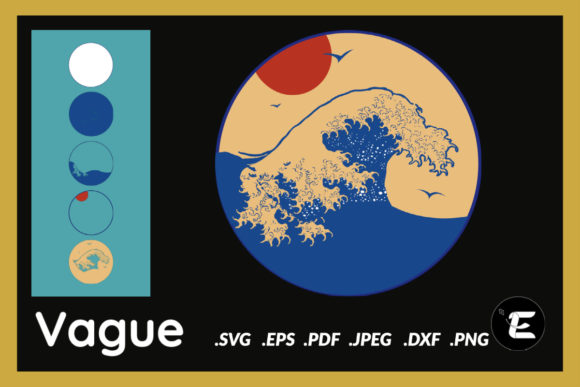
As a brand designer working frequently with local businesses, I recently explored a design asset called Vague—a dynamic 3D SVG illustration inspired by the Great Wave. At first glance, it struck me as a bold, modern graphic design asset with a strong visual presence. It carries a sense of motion and energy that feels both contemporary and slightly artistic, making it ideal for small businesses looking to create a memorable brand identity.
The mood of Vague leans toward modern and playful, with subtle elegance. It doesn’t feel overly formal, which makes it perfect for businesses that want to communicate creativity and approachability. Think of a boutique coffee shop launching a new seasonal menu or a handmade soap brand introducing a limited edition line. Vague adds a touch of visual flair without overwhelming the brand message.
Real-World Use Cases for Vague in Local Business Branding
In my recent project for a local candle brand, I considered how Vague could be used across multiple brand touchpoints. Here’s where it shines:
- Product Labels: Works beautifully as a decorative border or accent element on candle jars or soap packaging.
- Packaging Design: Can be layered into gift boxes or printed on tissue paper for a premium unboxing experience.
- Social Media Graphics: Adds a dynamic visual element to Instagram posts and promotional banners.
- Printed Promotional Materials: Ideal for flyers, thank-you cards, or hang tags that accompany handmade products.
- Website Banners: Enhances the hero section of a small business website with a modern, branded look.
Because Vague comes in multiple formats including SVG, EPS, PDF, DXF, and PNG, it’s highly adaptable for both print and digital use. Whether you're designing a product mockup for a Shopify listing or creating a Canva template for a client, the flexibility of this graphic design asset is a major plus.
How Vague Elevates Business Presentation
One of the biggest challenges for small businesses is standing out on crowded shelves or in a saturated digital space. Vague helps by creating a stronger first impression and improving product recognition. When used strategically, it supports a more consistent brand identity across packaging, marketing visuals, and online presence.
For example, in a recent food business branding project, I used Vague as a background accent on printed menu cards and digital ads. The result? A more cohesive visual hierarchy and a stronger emotional connection with the audience. Customers responded positively to the clean, modern design, and the brand felt more polished and professional.
Best Applications for Vague
Vague performs exceptionally well in the following scenarios:
- Product Labels: Especially for boutique-style packaging where visual appeal matters more than detailed text.
- Packaging Accents: Use it subtly as a background texture or corner embellishment for gift boxes or wrapping paper.
- Hero Graphics: On landing pages or promotional banners to draw attention and add movement to the layout.
- Seasonal Packaging: Works well for limited-time offers or holiday-themed product lines.
- Social Media Campaigns: Integrate into Canva templates for cohesive and eye-catching posts.
Because it’s a vector-based SVG, it scales beautifully across sizes, making it ideal for both large format prints and small label applications.
Where to Use Vague with Caution
While Vague is versatile, there are situations where it should be used thoughtfully or avoided altogether:
- Formal Corporate Branding: Its playful, modern style may not align with a luxury or minimalist brand aesthetic.
- Very Small Labels: Details in the 3D SVG can get lost when scaled down too much.
- Crowded Packaging Designs: It may compete with other design elements, especially if the label includes a lot of copy or icons.
- Ingredient-Heavy Layouts: Not ideal for food packaging or skincare labels where readability is critical.
- Low-Contrast Backgrounds: The intricate design may become indistinct if not placed against a solid or high-contrast color.
As with any graphic design asset, context and placement are key to ensuring Vague enhances rather than distracts from your brand message.
Practical Designer Notes for Using Vague
Before incorporating Vague into a client project or small business branding, I recommend the following checks:
- Test on Real Packaging Mockups: See how it looks on a physical box or label before printing.
- Preview in Black and White: Confirm it still works visually without color support.
- Check Print Quality: Especially when using the EPS or PDF formats for professional printing.
- Review PNG Transparency: If using on digital backgrounds, ensure the PNG file has a clean transparent layer.
- Test with Brand Colors: Make sure it complements your brand palette and doesn’t clash with existing assets.
- Compare with Competitor Packaging: Ensure it helps your product stand out in the market.
- Inspect SVG Editability: Open the file in Illustrator or a vector editor to see if it's easy to customize.
- Test with Different Fonts: Pair it with serif, sans serif, script, and display fonts to check visual harmony.
- Confirm Commercial Licensing: Always verify that you have the right to use the design asset in commercial design, product packaging, or client branding.
These steps ensure that Vague integrates smoothly into your creative workflow and contributes to a professional branding experience.
Final Thoughts: Vague as a Valuable Design Asset for Small Brands
For local business owners, product sellers, and creative entrepreneurs, Vague offers a fresh, modern design solution that can elevate packaging, promotional materials, and digital branding. Whether you're launching a new line of handmade candles, rebranding a bakery, or designing a seasonal product campaign, Vague provides a versatile and visually engaging option.
Its combination of 3D depth and scalable vector formats makes it a strong contender in the world of digital design assets. As long as it’s used with intention and tested across real-world applications, Vague can help small businesses build a more polished, memorable brand presence—both online and on the shelf.